
Evidence & compliance
Recurring Defects: Why Job-Based Inspection Software Loses the Plot
Most inspection tools organise around the job. The asset outlives the job — and everything valuable about repeat inspection lives in the gap between them.
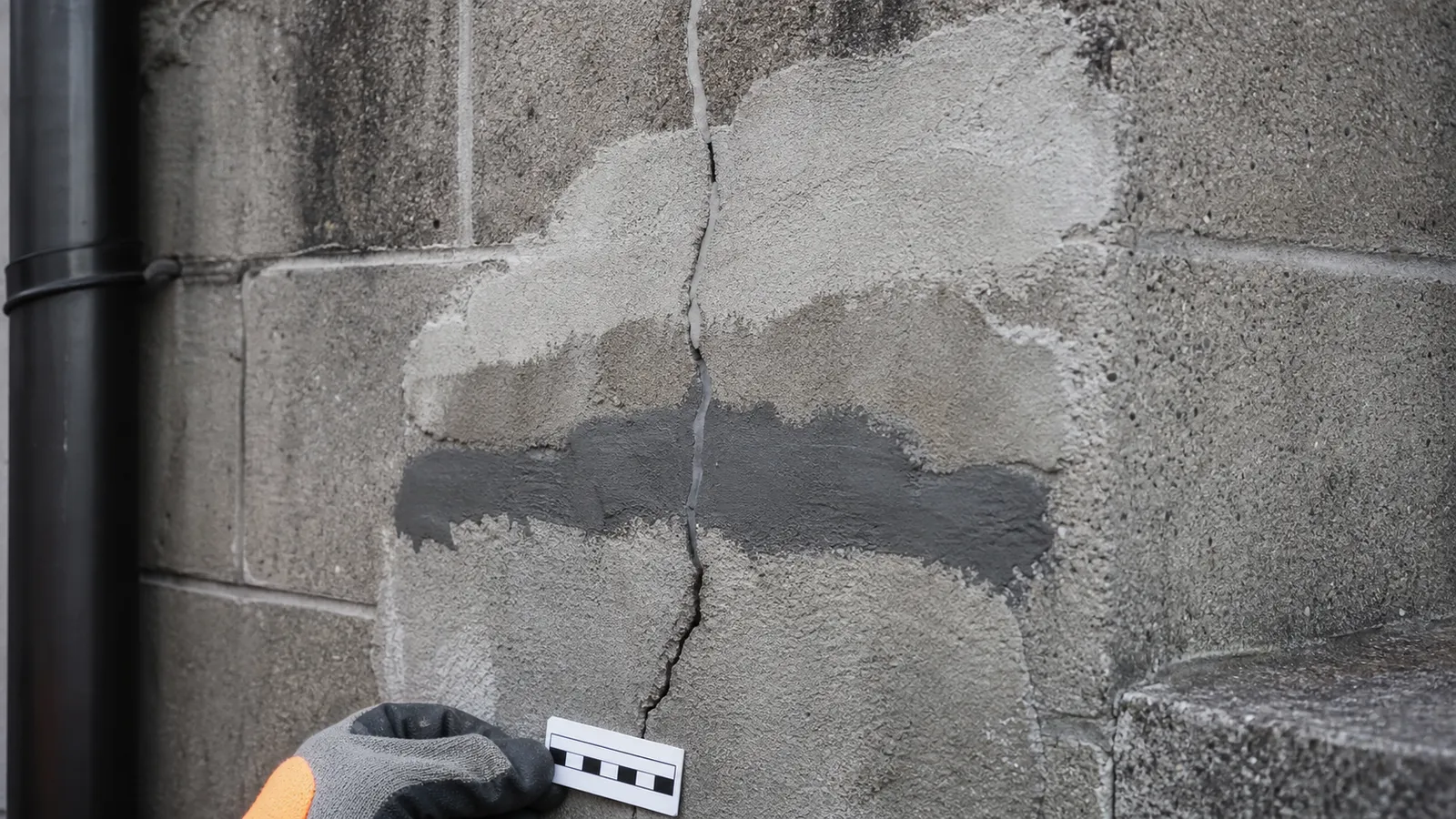
Almost all inspection software organises around the job: a visit is created, evidence is attached, a report is produced, the job closes. It is a clean model that matches how work is scheduled and billed.
It also throws away the most valuable thing a repeat-inspection business generates. The building, the tower, the elevator, and the fire system all persist. The job is a moment in their history — and if history only exists inside closed job folders, nobody can see across it.
What disappears when the job is the organising unit
| Question | Job-based answer | Asset-based answer |
|---|---|---|
| Has this defect been reported before? | Open last year's PDF and read it | Flagged automatically at the point of inspection |
| Is this deteriorating or stable? | Compare documents manually | Visible as a condition trend across inspections |
| When is the next inspection due? | Tracked in a spreadsheet, if at all | Derived from the applicable recurrence rule |
| Which assets are overdue? | No single view | A list, sorted by urgency |
| What is the compliance position of this portfolio? | Assembled by hand for each request | A standing figure |
Each of those is answerable in a job-based system by a person doing manual work. The difference is not capability. It is whether the answer is available at the moment it is useful — which, for a recurring defect, is while the inspector is standing in front of it.
The finding job-based systems cannot produce
"This defect has now been recorded on three consecutive inspections" is one of the most consequential sentences in a repeat-inspection report. It converts a routine observation into a documented pattern of inaction, which changes how the recipient responds and creates a record that matters if the condition later causes harm.
Producing it requires linking an observation to the same observation on prior visits — which requires the prior visits to be attached to the asset rather than filed separately. In a job-based structure, the inspector has to notice the recurrence themselves, from memory or by reading last year's report before the visit. Most of the time, neither happens.
The defect lifecycle
Treating findings as belonging to the asset rather than the visit makes a lifecycle possible:
- Open — first recorded on an inspection
- Recurring — observed again on a subsequent inspection, linked to the original
- Resolved — confirmed corrected, with the inspection that confirmed it recorded
- Reopened — observed again after resolution, which is itself a meaningful signal about repair quality
That lifecycle is the raw material for everything a facilities or compliance client actually wants: what is outstanding, what keeps coming back, what was fixed and stayed fixed.
Recurrence and statutory scheduling
In compliance-driven trades — fire safety, elevator, pressure systems, many environmental permits — the next inspection is not a preference. It is a date derived from a rule, and missing it has consequences beyond an unhappy client.
Those due dates attach to the asset, not to the job. An elevator's certification expiry is a property of the elevator. Deriving the schedule from the asset means the system can say what is due, what is overdue, and what is approaching — rather than relying on a spreadsheet somebody has to remember to update.
The important design constraint is that scheduling should propose rather than book. Silently creating work in a customer's calendar destroys trust quickly. Surfacing that fourteen certificates expire within thirty days, and letting a human decide, is the useful behaviour.
What asset history is worth commercially
Three things change when history accumulates against assets rather than being scattered across job folders:
- Reports get better. Recurrence, trend, and prior-condition context are available without research.
- Renewal gets easier. A client who can see their own portfolio's compliance position in one place has a reason to stay that is not about price.
- The record becomes an asset in itself. Several years of structured inspection history against known assets is genuinely valuable, and it is not something a competitor can replicate by matching a feature list.
What to look for when evaluating
- Do inspections attach to a persistent asset record, or only to a job?
- Can assets nest — a site containing systems containing components?
- Are prior open findings surfaced during a new inspection, in the field, at the relevant checklist item?
- Can a defect be marked resolved, and does reappearance link back to the original?
- Are due dates derived from a rule attached to the asset?
- Can a portfolio-level compliance position be produced without manual assembly?
These asset-history questions sit alongside offline behavior and evidence integrity in the complete inspection software buyer’s checklist.
A system that cannot answer these is not necessarily a bad tool. It is a tool for one-off inspections being used for recurring work, which is a different problem.
Frequently asked questions
What is asset-based inspection software?
Software that organises inspections around persistent physical assets — a building, tower, elevator, or system — rather than around individual jobs. Each inspection becomes an entry in that asset's history, which makes recurrence, trends, and due dates visible across visits.
Why does tracking recurring defects matter?
A defect reported repeatedly without correction is materially different from a new finding. Documenting the pattern changes how clients respond, and it protects the inspector by showing the condition was raised each time.
Can asset history work across changing inspection standards?
It should. Where protocols change between versions, a system needs a way to map old item identifiers to new ones so that recurrence links survive. Otherwise a standards update silently breaks continuity.
Should inspection software schedule work automatically?
It should propose, not book. Deriving due dates from recurrence rules is valuable; silently creating jobs in a customer's calendar erodes trust. Surface what is due and let a person confirm.
What is a defect lifecycle?
The states a finding moves through across inspections: open when first recorded, recurring when observed again, resolved when confirmed corrected, and reopened if it returns. Tracking it requires findings to belong to the asset rather than to a single visit.